
Xinhua News Agency, Beijing, April 24th Title: Wearing armor in white is a common life-a group image of medical staff in the global anti-epidemic battlefield
Xinhua News Agency reporter Han Mo Shang Jing Yang Tianmu
Historically, unknown viruses have often exposed lost face and attacked human beings. In the battle to protect life, there are such a group of people, who wear armor in white and go retrograde to devote themselves to protecting well-being and practice their mission with their lives.
In the global battle against the COVID-19 epidemic, they rushed to the front line without hesitation. People may not know their names or even see their faces covered by protective gear, but their white coats, firm eyes and hard work will never be erased in people’s hearts.
They have a common name-soldiers in white.
Bravely go backwards to fight the plague demon.
The epidemic is raging around the world, and the horn has already sounded. From new york to Daegu, from Melbourne to Harare, the global medical staff did not hesitate to act quickly and rushed to the battlefield against the epidemic.
"My babies are too young to recognize me in protective clothing. If they lose me because of Covid-19, I hope they know that my mother tried her best for her work. " Griggs, a doctor in new york, USA, and her husband, both medical staff, left a will and began to work hard for several weeks.
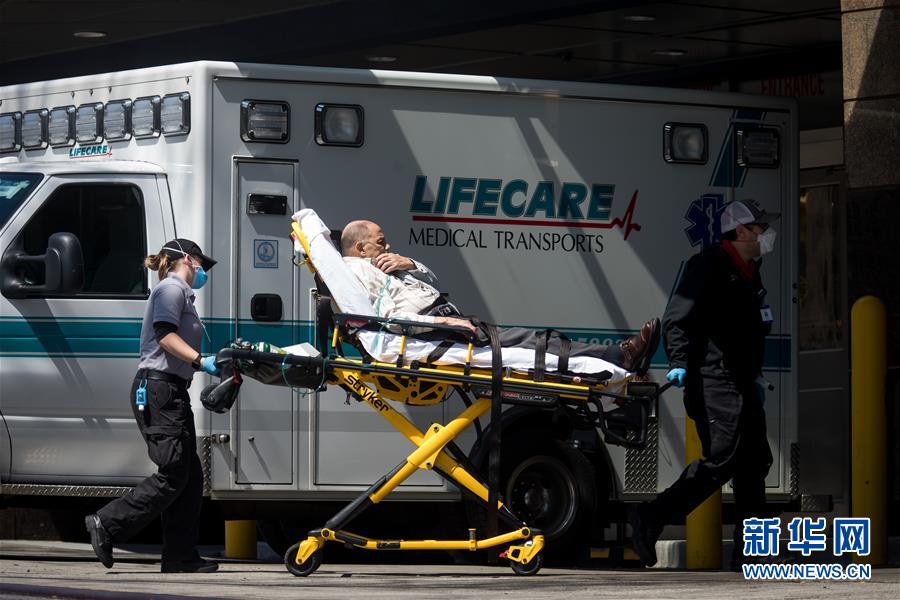
On April 11th, in a hospital in Bronx, new york, the medical staff took the patient to the hospital. Xinhua News Agency (photo by Guo Ke)
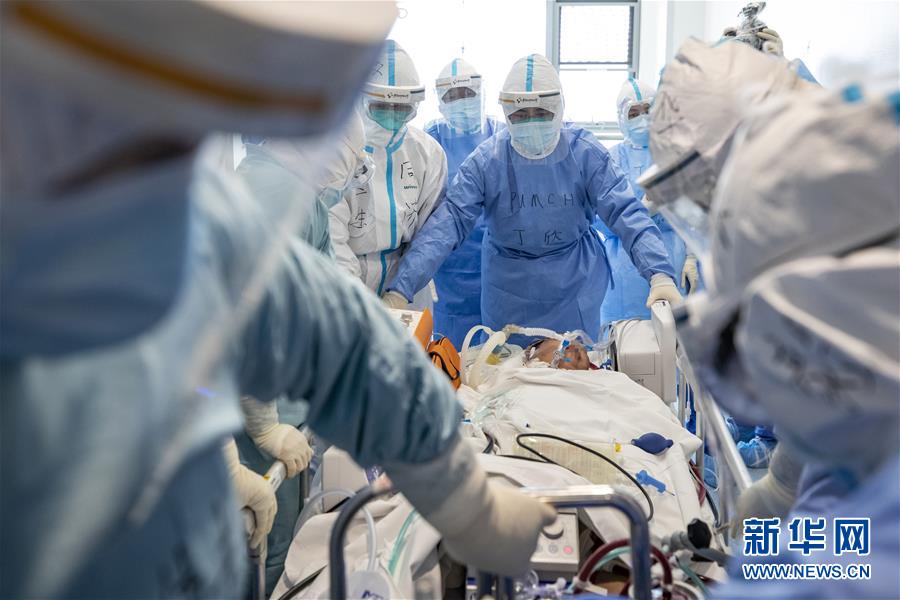
On April 12th, members of the medical team of Peking Union Medical College Hospital and the medical staff of tongji hospital, Wuhan jointly transferred a critically ill patient from COVID-19 to the ICU of Sino-French New Town Campus in tongji hospital, Wuhan. In the process of transportation, ECMO (artificial membrane lung) treatment is still going on. Xinhua News Agency reporter Shen Bohan photo
Although there are still eight months before graduation, Abby Kanagranger, a medical student at the University of Melbourne, Australia, has taken up her post ahead of schedule. "I mainly do some auxiliary work, such as answering the phone, tracking the test results, and some things within our ability. In short, it is to try our best to share their work pressure. "
Like Kana Granger, many medical students all over the world start their careers in this special way.
Doctors are kind, regardless of age.
On the morning of March 16th, Klose, France. Roche Botai, a retired doctor, said a brief farewell to his wife. He will go to the local emergency center as a reinforcement volunteer to receive patients with infection symptoms. He decided to isolate himself in a separate room after work that day to ensure that his family was not infected.
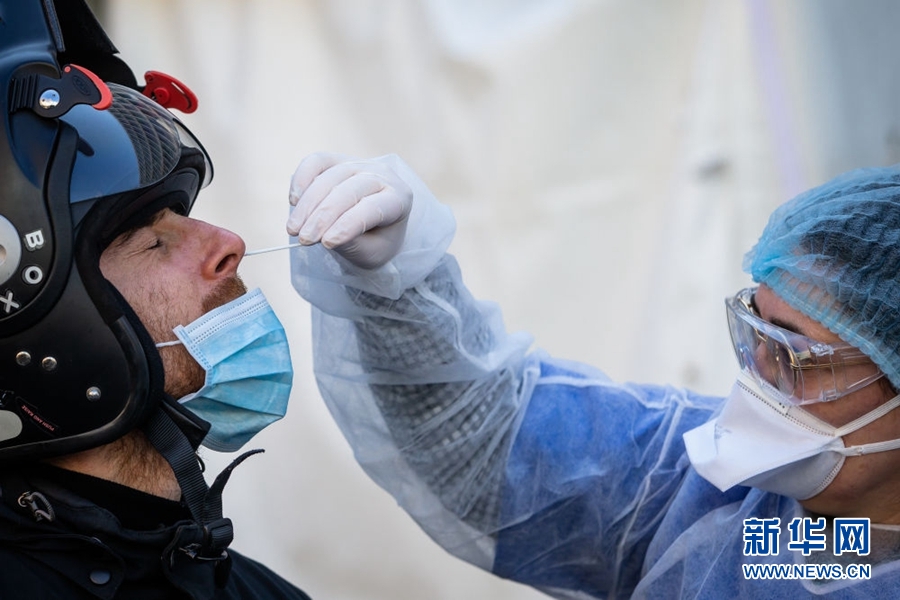
On April 1st, in the 17th arrondissement of Paris, the staff took samples from a medical worker who was tested by Covid-19. Xinhua News Agency (photo by Aurelian Morisal)
If you ask Botai why, Roberta Terzi, a 66-year-old doctor of infectious diseases in Italy, may answer for him: "I will ask myself:’ Do you really want to retire? With my children and grandchildren, to support my life? Where would you rather be on such a spring day?’ My answer is always:’ I want to be here, beside these patients.’ "
In late February, the epidemic situation in Daegu, South Korea deteriorated sharply. Since then, Dr. Quan Taiheng of Daegu Dongshan Hospital affiliated to Qiming University in South Korea has worked in the ward for 10 hours every day, 7 days a week, without taking turns. He has no time to meet his family, so he can only take time to communicate by phone or video. Quan Taiheng said: "What I say most is to ask them if everything is all right or’ I miss you’."
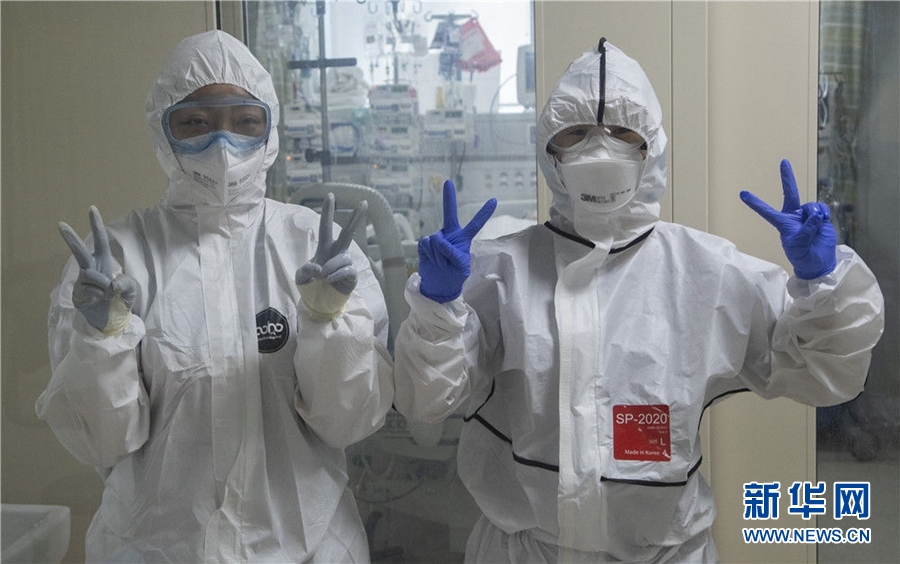
On March 18th, at Dongshan Hospital of Qiming University in Daegu, South Korea, medical staff made a victory gesture to reporters. Xinhua News Agency (photo by Sang Ho Lee)
In the bitter battle with the plague, the soldiers in white paid not only hard work, but even life.
"We won’t stop," said stella, president of the Italian Varese Medical Association. "We should be careful and stick to it." When he said this, stella’s clinic had run out of masks and gloves, and his town of Busto Alsi Qi ‘ao was the hardest hit area. Soon, stella was unfortunately infected with respiratory failure, and his life was fixed at the age of 67.
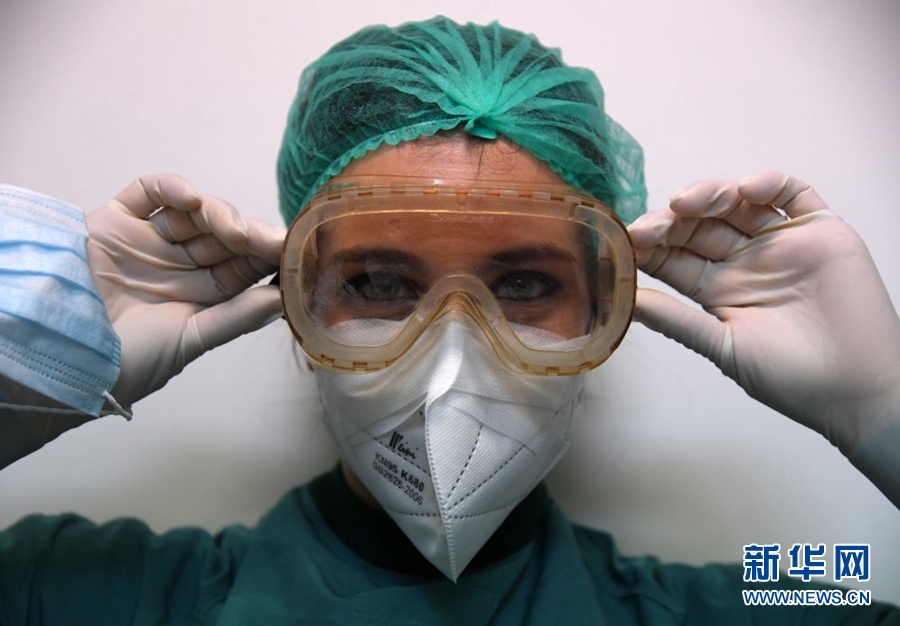
On April 12th, in Rome, the nurses in Santospirito Hospital wore protective equipment before entering COVID-19 ward. Xinhua News Agency (photo by Alberto Linglia)
According to the report of the National Federation of Italian Doctors on April 22nd, there were 144 medical staff killed in Italy due to the epidemic. According to data from the Italian Institute of Advanced Health Research, the number of infections among medical staff in this country accounts for about one tenth of the country. Even so, there are still a large number of doctors and nurses who take the initiative to go to the epidemic area. After the Italian civil protection department announced the formation of a support team, more than 7,900 medical and health professionals signed up within 24 hours.

On April 23, in Reading, England, the medical staff of the Royal Berkshire Hospital applauded outside the hospital. Since the outbreak of the COVID-19 epidemic, every Thursday night at 8 o’clock, the British people have applauded on the balcony, in front of the door or in front of the window to pay tribute to the medical staff. The medical staff in some hospitals also took time out of the hospital, thanking people for their support and applauding for themselves. Xinhua News Agency (photo by Tim Ireland)
Infection, death, fear brought by Covid-19, not fade away, but soldiers in white armor still choose to move forward.
"It is false to say that we are not afraid at all," said Cynthia Shatti, a nurse at Wilkins Hospital in Harare, Zimbabwe. "But this is a sacred profession, and public interests and professional ethics require us to stand up … We have no reason to retreat."
Protect the boat of life with one heart
In the face of the dangerous epidemic, the soldiers in white bravely rushed to kill and guarded the boat of human life. In ordinary families, they are also ordinary people with blood and tears, parents, children and husband and wife.
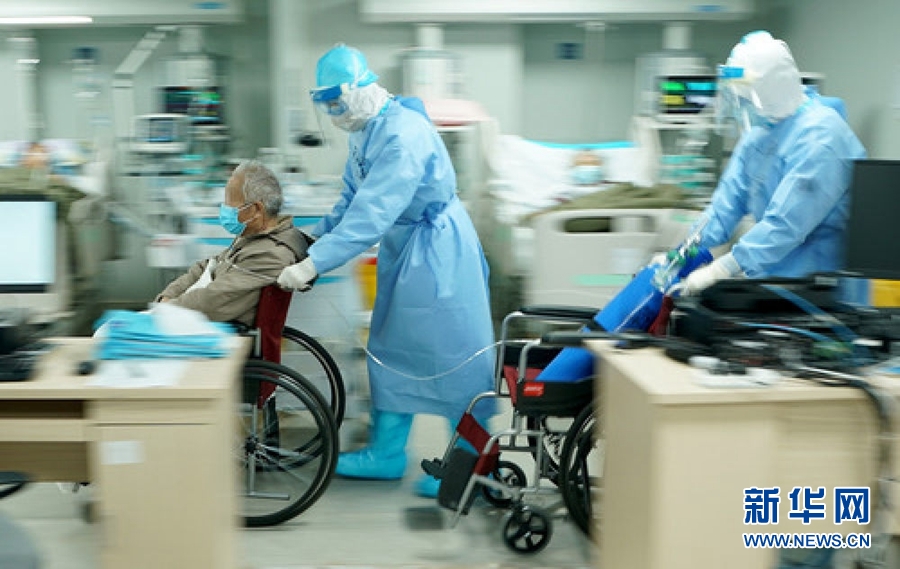
On March 20th, Song Liqiang (middle), deputy director of the First Department of Critical Care Medicine, Wuhan Huoshenshan Hospital, escorted 81-year-old critically ill patients from COVID-19 for CT examination. In order to ensure that the patient has sufficient oxygen supply, the doctor Hu Shizhen pushes the oxygen bottle with him. Xinhua News Agency reporter Wang Yuguo photo
On March 3, late at night, outside Jinyintan Hospital in Wuhan, China.
In a car, Tu Shengjin and Cao Shan were leaning in the front and back rows, one reading a book, the other staring at the mobile phone, and they chatted from time to time.
The couple have spent nearly 40 nights in the car. An 11-year-old son can only be given to the elderly.
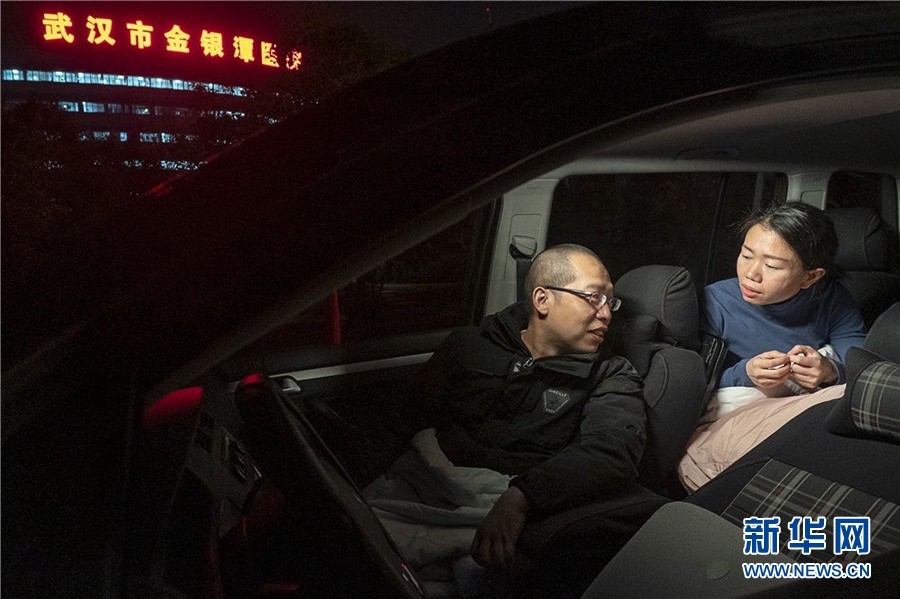
On the evening of February 22nd, Tu Shengjin (left) and Cao Shan were chatting in the car in Jinyintan Hospital. Xinhua News Agency reporter Xiong Qishe
Tu Shengjin, 44, is the deputy chief physician of the intensive isolation ward of Jinyintan Hospital. Cao Shan, 40, is a nurse in different wards of the same hospital.
On January 23, Wuhan closed the traffic outside the city, and soon the public transportation in the city stopped, so there were too many hospital employees who could not go home. In addition, the medical team who came to support it, the dormitory was full and the hotel room was tight. The couple made a decision: give the opportunity to other colleagues and sleep in the car by themselves.
After a period of time, the hospital informed that the hotel room was vacant nearby, but Tu Shengjin decided to spend the night in the car. "The hotel has to drive to the hospital for more than ten minutes. When it comes to rescue, it is counted by seconds. With this time, it is possible to pull the patient back from the death line! "
March 16th, French Oak Szitanyi Region.
Aurelian and Stefani, doctors and couples who are about to leave, send their children to grandparents’ home.
They are husband and wife and "comrades-in-arms". As a doctor, it is inevitable to have close contact with patients and face the risk of infection.
"The first batch of COVID-19 patients admitted to the hospital immediately, we are likely to be infected. The child asked us when to pick him up, and we didn’t know. " They said.
In the global anti-epidemic battlefield, it is countless Tu Shengjin, Cao Shan, Aurelian and Stefani who built a series of life berms with their flesh and blood, striving for more hope for patients.
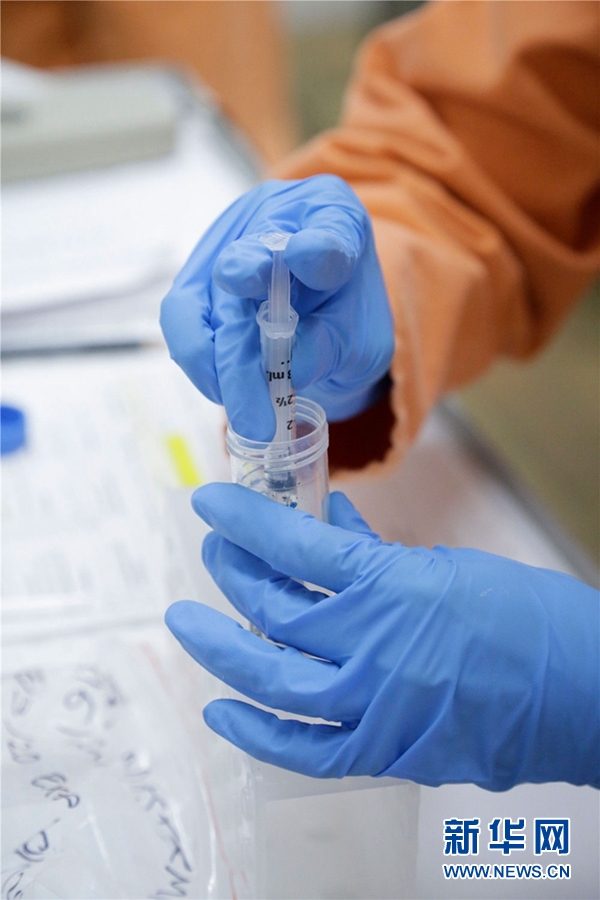
Photographs provided by the Commonwealth Scientific and Industrial Research Organization, Australia’s national scientific institution, on April 2nd showed that its scientists were conducting preclinical trials of candidate vaccines in Covid-19. Xinhua news agency
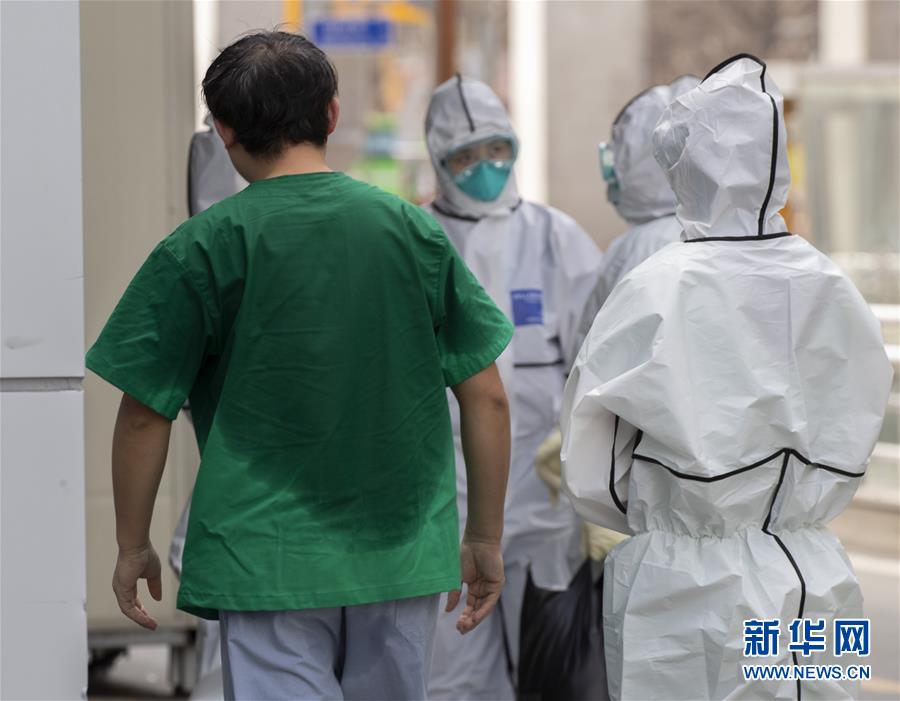
On March 15th, a medical worker’s shirt was soaked with sweat at Dongshan Hospital of Daegu Qiming University in South Korea. Xinhua News Agency (photo by Sang Ho Lee)
April 6, Jinan, Shandong, China.
Zhang Jingjing, who returned from the battlefield in Hubei, will never see her beloved husband and dear children again.
Zhang Jingjing is a nurse in charge of respiratory and critical care in Qilu Hospital of Shandong University, and she is also a member of the first batch of medical aid teams in Hubei Province. On March 21, she completed the task of supporting Hubei, and her isolation expired on April 5. At about 7 o’clock in the morning, she suddenly stopped her heart and died unfortunately. Her husband is now doing aid construction work in Sierra Leone thousands of miles away.
"I wish to protect this prosperous China with our youth," she wrote when she was in Hubei.
In every corner of the earth, those white soldiers who fought bravely against the virus are the light in the dark night, the lighthouse standing in the storm, and the indestructible "life number" in the stormy waves.
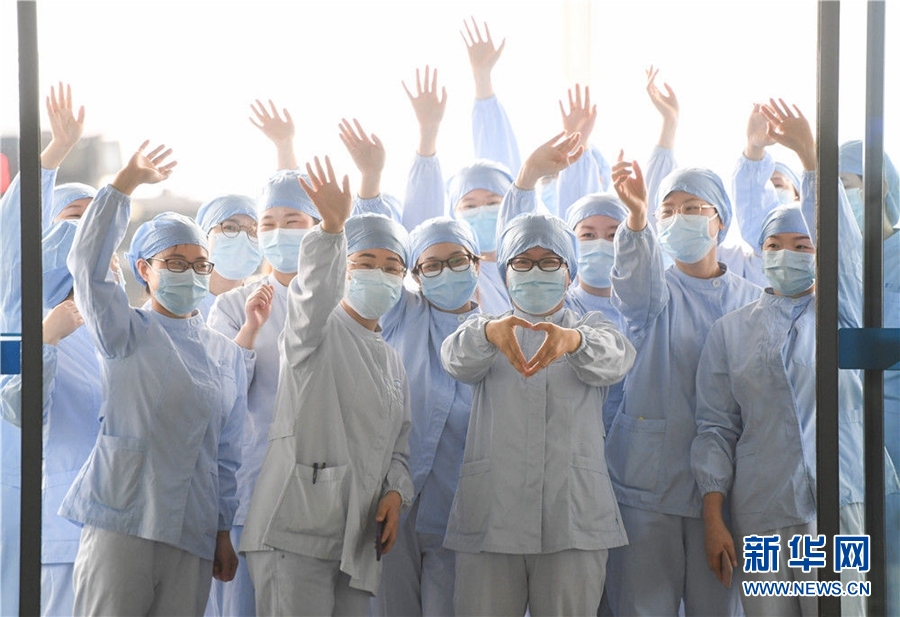
On March 23rd, some medical staff from the First Hospital of Wuhan saw off the 14th batch of Guangdong medical aid teams in Hubei at Wuhan Tianhe Airport. During the 14th Guangdong medical aid team in Wuhan, the whole organization took over four intensive care units in the First Hospital of Wuhan, and formed a deep friendship with the local medical staff in the hospital. Xinhua News Agency reporter Chen Yuhua photo
"Doctors have no boundaries" has great love.
Visited 7 cities and 22 medical institutions, and held 15 exchange meetings and 9 lectures. This is travel itinerary after the China anti-epidemic medical expert group arrived in Serbia.
During the three weeks in Serbia, the members of the expert group did not take a day off, and almost traveled to all the cities where the epidemic occurred. "Get up at six o’clock every morning, return to the station at seven or eight in the evening, and finish the report. Generally, you can’t rest until late at night." Long Qisui, a member of the expert group and the first-level director of the AIDS Prevention and Control Institute of the Guangdong Provincial Center for Disease Control and Prevention, said.
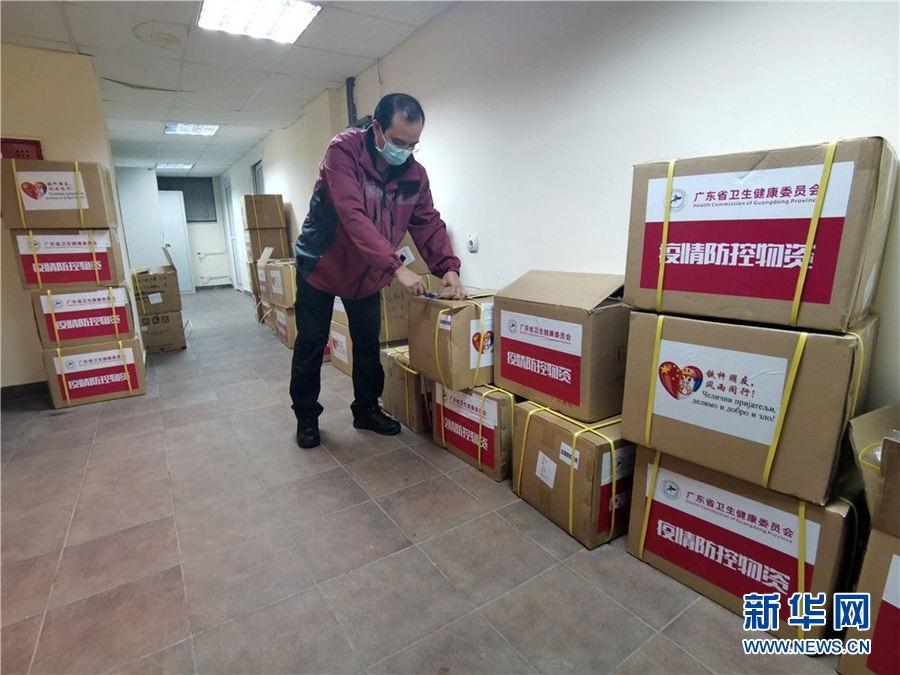
On March 28th, China in Belgrade, the capital of Serbia, went to the residence of the Serbian anti-epidemic medical expert group. The expert group member Long Qisui arranged and counted the materials to prepare for the protective equipment used the next day. This is the work that he must do every night. Xinhua News Agency (Photo courtesy of the expert group)
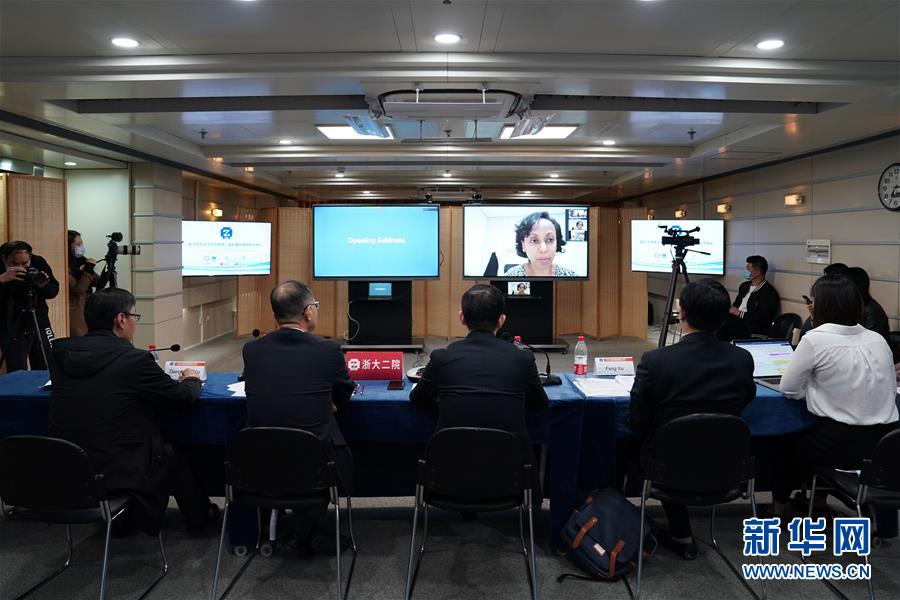
On April 10th, in Hangzhou, Zhejiang Province, Ethiopian Health Minister Leah tadesse had an online exchange with Chinese experts. On the same day, experts from the Second Affiliated Hospital of Zhejiang University School of Medicine and Ethiopian doctors exchanged experiences on prevention and treatment of COVID-19 online. Xinhua News Agency reporter Yin Xiaosheng photo
Insist on "four mornings and four concentrations", strengthen source control, expand testing scope, build shelter hospitals, and pay close attention to returnees … China medical experts’ suggestions were quickly transformed into important decision-making references. The epidemic prevention situation in Serbia is steadily improving.
From Africa to Latin America, from the Middle East to Southeast Asia, there are many "multinational doctors" like Long Qisui. So far, China has sent anti-epidemic medical experts to more than ten countries, including Iranian, Italian, Philippine, Russian and Ethiopian. They are not far from Wan Li, and they have traveled all over the world, devoted themselves to the great cause of the war and epidemic of all mankind, and conveyed the great love of "doctors have no boundaries".
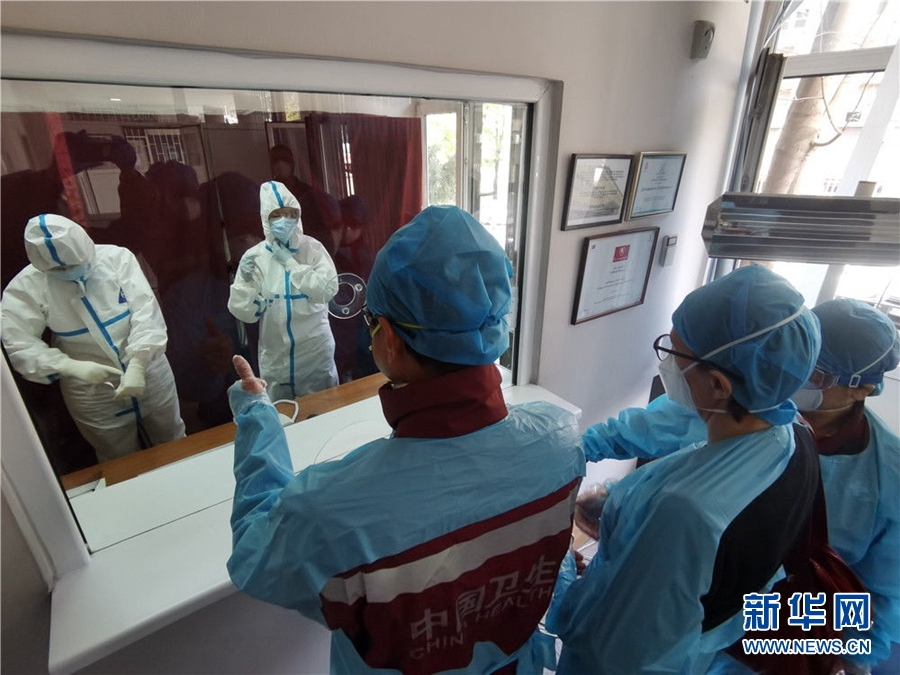
On April 11th, in Belgrade, the capital of Serbia, China visited an outpatient clinic in Belgrade, and praised the protection awareness of medical staff. Xinhua News Agency (Photo courtesy of China’s anti-epidemic medical expert group in Serbia)
"Their working hours are not measured in days, but in minutes." Sosambo, an interpreter accompanying China to the Cambodian medical team, said that Dr. China has been working in a state of intense tension. In the hospital, the expert group pays attention to the process: from patient admission and triage to triage and specimen sampling, every link should be carefully studied to determine the operating rules; In the virus detection laboratory, the expert group attaches great importance to methods: explaining in detail how to use automatic nucleic acid extractor, sterilizer and other equipment; In airports, railway stations and industrial parks, the expert group emphasizes standards: strict implementation of epidemic prevention regulations and operational norms for health inspection procedures, seating arrangements, disinfection operations, etc.
"Thanks a lot! Thank you, China’s relatives! Even if there is no good food, there is a song from my hometown for you and my relatives. " Knowing that the members of the expert group came from Guangxi, Cambodian people filled in new words in Cambodian with the melody of "Sister Liu" and gave them to white soldiers from China.
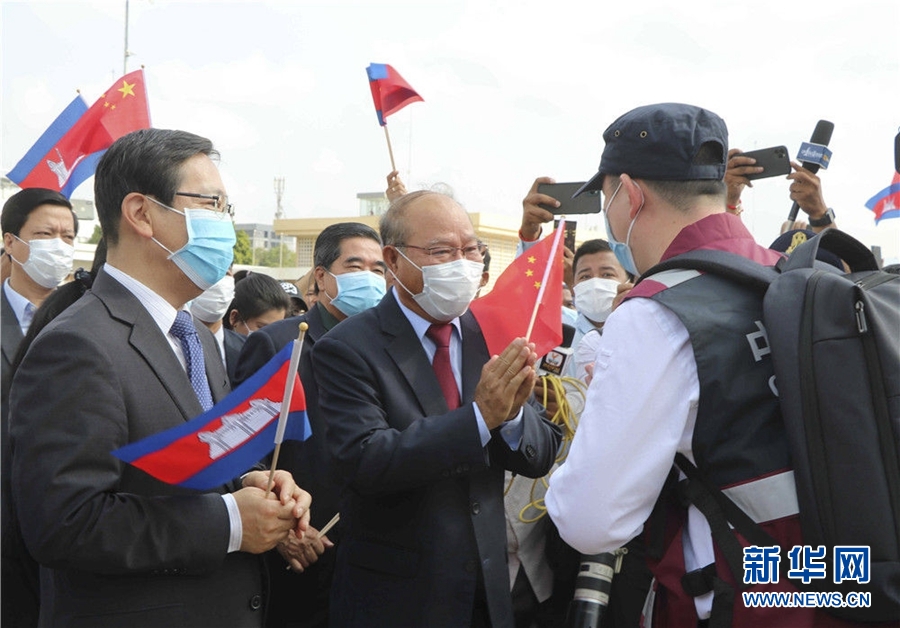
On March 23rd, in Phnom Penh, Cambodia’s capital, Cambodian Health Minister Manbenheng (centre) greeted China’s anti-epidemic medical expert group at the airport. Xinhua News Agency reporter Mao Pengfei photo
As a member of the medical aid team in Hubei Province, Pan Konghan, director of the Department of Critical Care Medicine in sir run run shaw hospital, immediately put himself into the next "battle" after returning to Zhejiang. This time, his battlefield is not a ward, but a conference room: an online video conference with the Rwandan health minister and doctors.
Through the Internet, medical workers from different countries have opened up a new joint battlefield and built a "bridge of clouds" for transnational communication. Doctors from Union Hospital of Huazhong University of Science and Technology shared their diagnosis and treatment plans with their Sri Lankan counterparts, medical experts from west china hospital discussed the treatment of severe patients with Italian experts, and medical experts from Shanghai Center for Disease Control and Prevention introduced China’s experience to their South African counterparts in detail from nine aspects … Since the outbreak, China has held nearly 100 video conferences of health experts with more than 150 countries and regions.
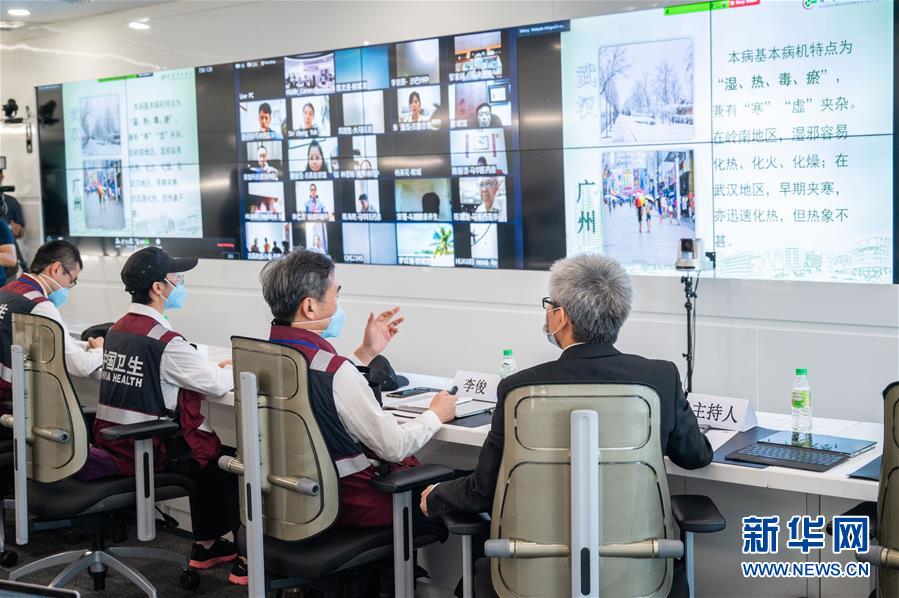
On April 22nd, in Kuala Lumpur, Malaysia, a medical expert group from China went to Malaysia to fight against epidemic diseases and made video connection with people from Chinese medicine circles all over Malaysia. Xinhua News Agency reporter Zhu Yushe
Busy figure, fearless retrogression, efficient cooperation and sincere mutual assistance, Chinese and foreign medical workers show the moral responsibility of internationalism to the world, and also interpret the true meaning of the concept of community of human destiny. Robert kuhn, chairman of the American Kuhn Foundation, said that the vision of a community of human destiny urges us to take action for common interests, which meets the needs of this turbulent era.
Tan Desai, Director-General of the World Health Organization, said: "The whole world is witnessing the important role of medical staff and their central role in the anti-epidemic process." Guarding life, the heart is the whole life. From the medical staff, more and more people read the power of unity and cooperation and understand the connotation of common destiny.
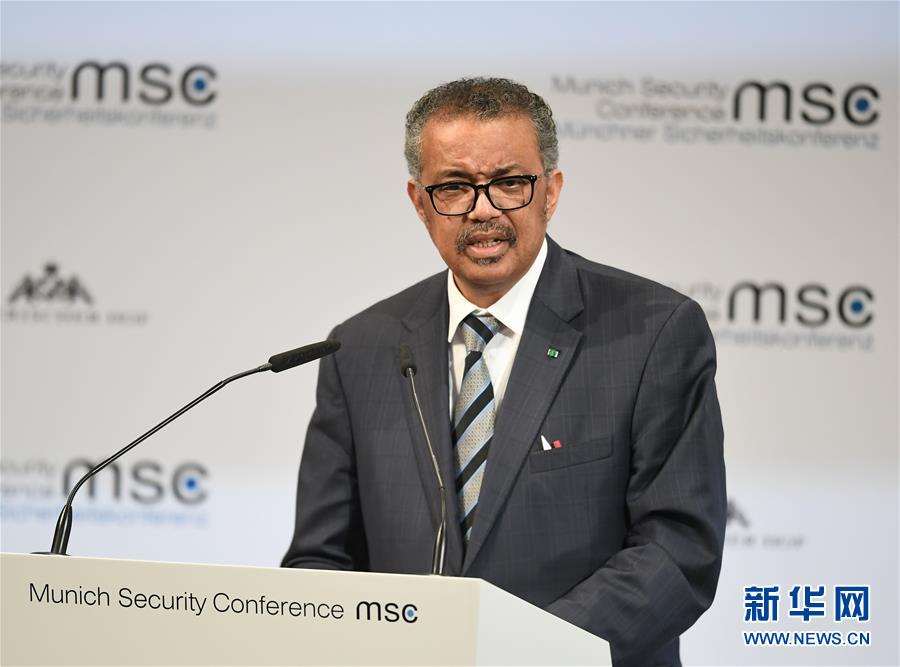
On February 15th, in Munich, Tedros Adhanom Ghebreyesus, Director-General of the World Health Organization, delivered a speech at the 56th Munich Security Conference. Xinhua News Agency reporter Yuyang photo
At this moment, the fighting continues. Towards the final victory, the global medical staff are still charging. Let’s pay tribute to the hero in the name of life! (Participating in reporters: Tang Ji, Geng Xuepeng, Hao Yalin, Guo Yang, Tian Ming, Zhang Yuliang, Mao Pengfei, Shi Zhongyu)
